

Stormwater and Flooding
A heavy storm shouldn’t flood your street or or your home.
Every Providence resident deserves to feel confident that a heavy rainstorm won’t flood their street, damage their home or disrupt their neighborhood. As storms get stronger, the Smiley Administration is investing to keep our City safer from flooding. Storms are getting stronger and our sewer and stormwater pipes are too old and small to keep up. Even a small storm can flood streets, back up into basements, open sinkholes and contaminate local water. These failures are costly, disrupt daily life and can even put lives in danger.
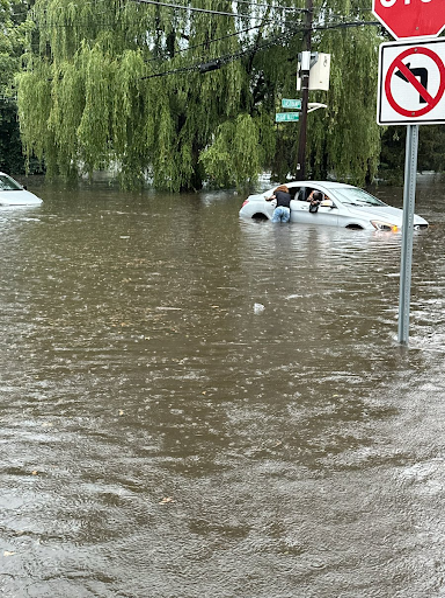
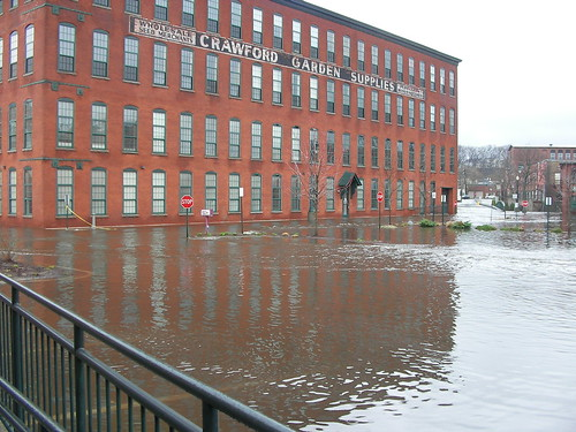
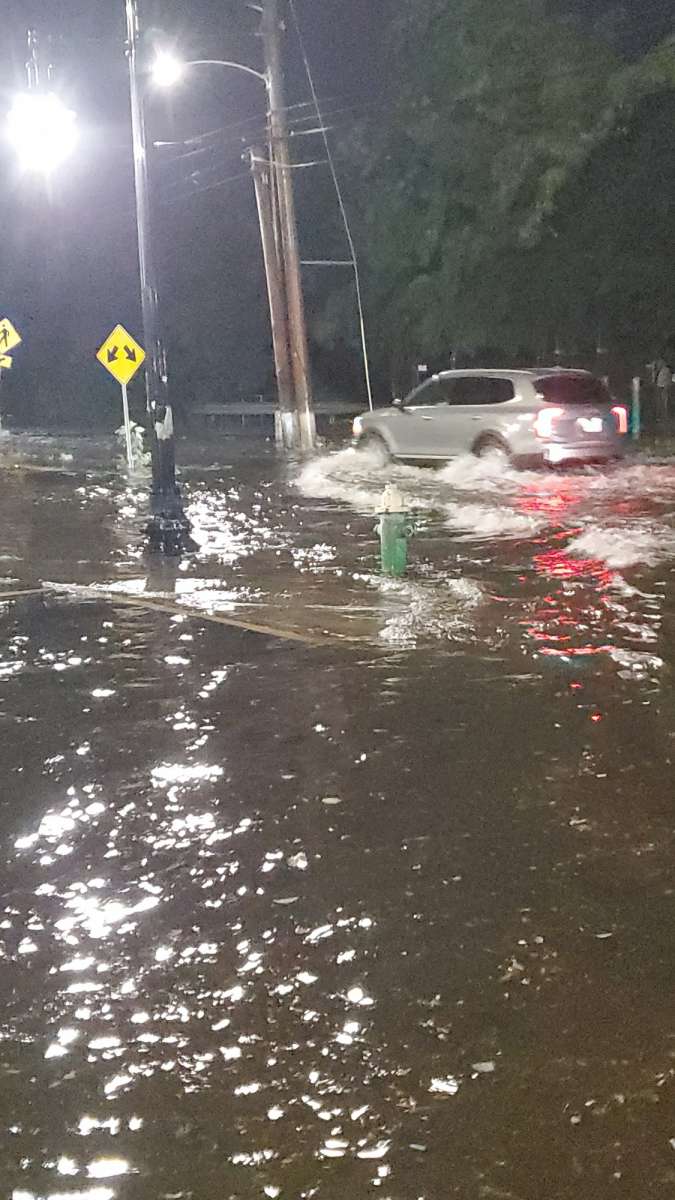
We’ve already started and here’s the plan to finish the job:
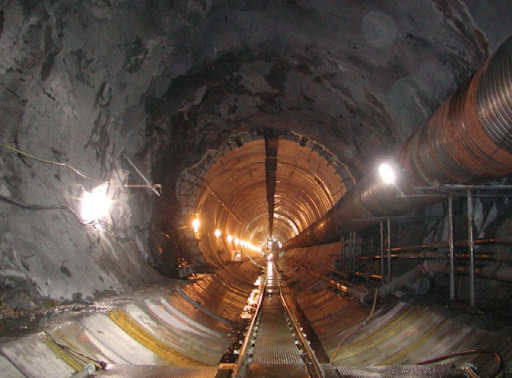
DPW Projects
We’re already repairing damaged pipes- Public Works has put more than $2.7 million toward inspecting, cleaning and repairing blocked and broken pipes to cut flooding and keep polluted runoff out of our rivers.
SNEP SOAR
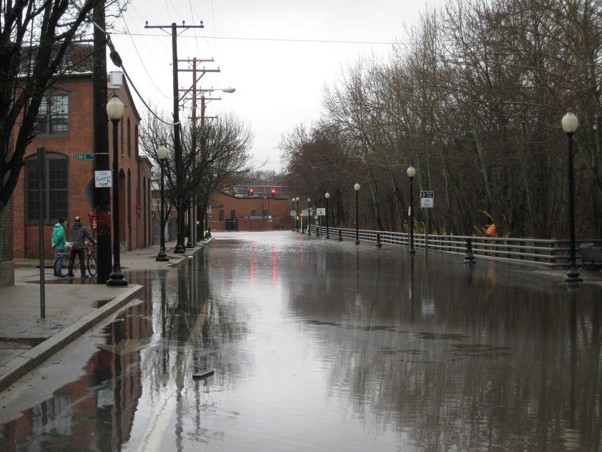
Neighbors are helping map where flooding hits hardest- with a $300,000 grant, the City is working with residents and community groups to map where flooding is worst, starting in the Woonasquatucket River and West River neighborhoods and to shape the fixes together.
Green Infrastructure
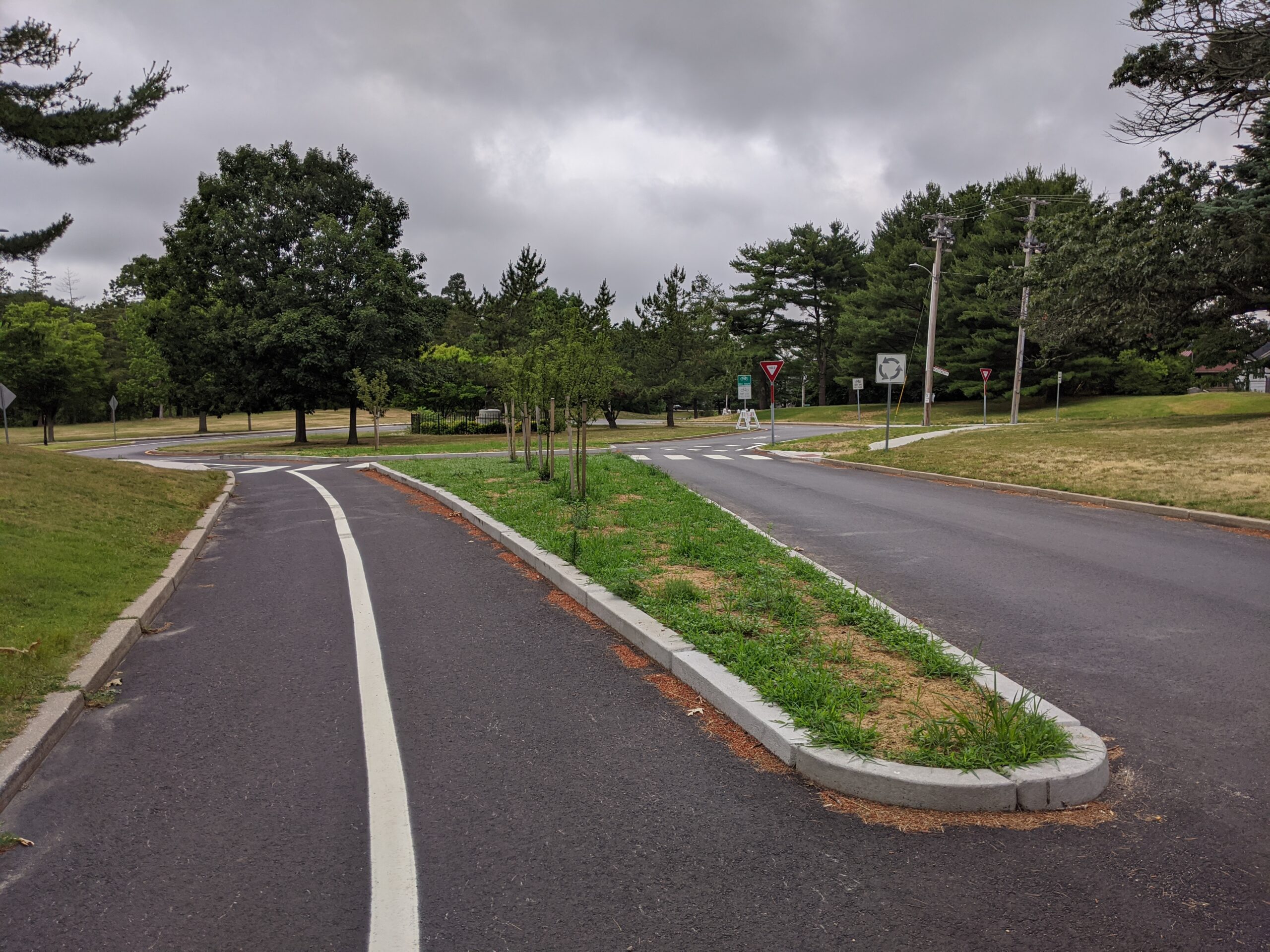
Investing in green infrastructure, like rain gardens and runoff systems, to slow the flow of excessive rain from flooding streets and polluting our waterways.
With adequate resources, we can take these solutions to scale and solve problems in all of our neighborhoods. Replacing an aging system takes steady, reliable funding and that’s what our recent assessment study lays out.
Providence’s Need for Sustainable, Equitable Funding for Stormwater and Sewer Systems:
|
Get Involved!
Join us at a community meeting this summer, tell us where you see flooding in your neighborhood, learn more about Mayor Smiley and his climate resiliency work here, read the task force memo and read the assessment.